

You might have had the same filling since college and barely thought about it—until a corner breaks off during lunch. Or maybe this is your first cavity, and you want to know what we’ll use to repair it. Either way, comparing composite vs amalgam vs ceramic starts with a few questions: Will it show, how well will it handle chewing, and what will it cost?
Here at Peak Dentistry in Clyde, North Carolina, we use tooth-colored composite and ceramic restorations in our mercury-free practice. A small cavity may need composite, while a tooth with a large filling and weakened edges may need ceramic coverage. If you already have silver fillings, we can help you understand which are holding up and which have damage that needs repair.
Composite Fillings Bond Directly to the Tooth
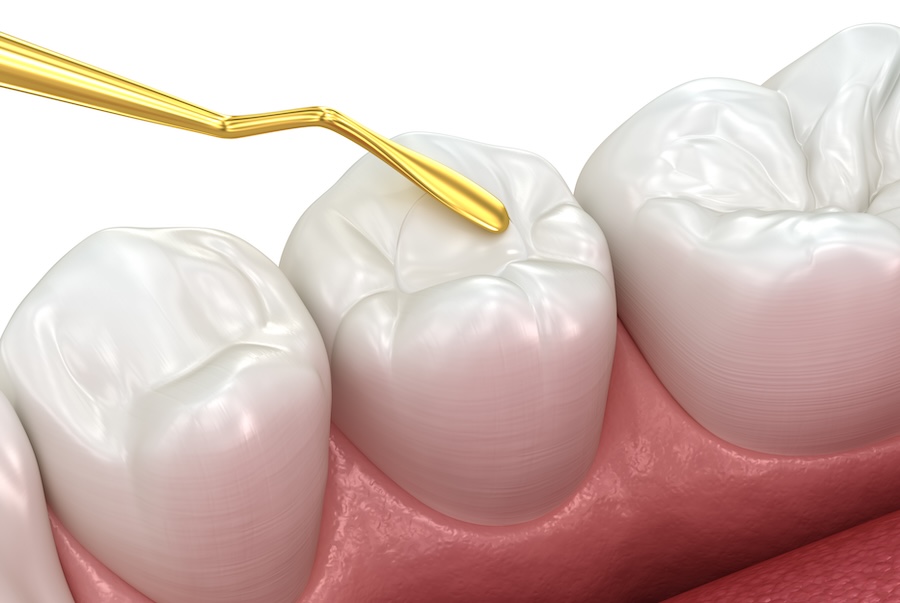
Composite is a tooth-colored resin containing small reinforcing particles. We select a shade, place the material in the prepared tooth, and harden it with a curing light. Afterward, we shape the surface and check how it meets the teeth above or below it.
That bond is one reason we often use composite for small and moderate cavities. We can match the surrounding enamel when rebuilding a chipped front edge, so the repair blends in when you smile. For a larger back-tooth repair, however, we need to check whether the remaining tooth can support the filling under chewing pressure.
To help composite bond, we keep the tooth dry while placing it. That can take more work near the gumline or far back in the mouth, so the location of the cavity affects how we place the filling. Afterward, we check the contact with the next tooth so your lunch does not keep getting caught between them.
Amalgam Is the Metal Filling Many Patients Already Have
Amalgam combines mercury with other metals and has a silver-colored appearance. It has a long history of use because it can withstand chewing pressure and often costs less than other restorations. As the years pass, an amalgam filling may remain intact, or its edges and the surrounding tooth may develop problems.
Although we do not place amalgam at Peak Dentistry, having an older metal filling does not automatically mean it needs to come out. The FDA advises against removing sound amalgam fillings solely to prevent illness. Removal takes away additional tooth structure and temporarily increases mercury exposure during the procedure.
If we find a broken filling edge, decay beneath it, or a crack in the tooth around it, we may recommend replacement. We will also consider a documented sensitivity to the material or a medical concern that affects the choice. Dr. Joseph Ramellini and Dr. Gabrielle Ramellini will show you the problem and explain why changing the filling would help.
Ceramic Restorations Can Rebuild Larger Areas
For a larger repair, ceramic is a tooth-colored material used for restorations such as inlays, onlays, and crowns. An inlay fits within part of the chewing surface, while an onlay can cover one or more weakened tooth cusps. A crown covers more of the tooth when the remaining structure needs broader support.
We make a ceramic restoration to fit the prepared tooth, then secure it in place. With CEREC technology, we can make many ceramic crowns in one visit. Whether we recommend an inlay, onlay, or crown depends on how much of your tooth needs rebuilding and protecting.
When a tooth needs more coverage than a filling can provide, ceramic may let us rebuild that larger area. However, ceramic can chip or fracture under excessive force, just as a natural tooth can. Waking with sore jaw muscles or grinding at night can change how we protect the repair, so we include those habits when planning treatment.
When a Filling Is Not Enough
If a cavity is small and the tooth around it is strong, a filling may be all you need. However, a large old filling can leave so little natural tooth around it that the thin walls flex when you chew. You might feel nothing until a corner breaks off, which is why we check those walls before replacing the filling.
An onlay can cover a weakened chewing point—the raised part of a back tooth—without covering the entire tooth. If several areas have weakened, a crown may provide the broader coverage it needs. That difference can explain why we recommend more than another filling when a tooth has already had a large repair.
Pain with a filling does not always mean the whole filling needs replacing. If the repaired tooth meets first when you close your mouth, adjusting that high spot may help; if decay or a crack is responsible, the tooth needs a repair. Meanwhile, pain that lingers after hot or cold contact may involve the tissue inside, so we test the tooth before deciding which treatment will help.
Appearance, Cost, and Longevity Vary
We can expertly match both composite and ceramic to your natural tooth color. Over the years, composite may stain or wear, while ceramic generally resists staining well. Even so, both need daily cleaning around their edges, where plaque can collect against the natural tooth.
The size and type of repair affect cost as well: ceramic often costs more than composite because we design and make a separate piece to fit the tooth. Your insurance may contribute differently to a filling, onlay, or crown. Before you schedule treatment, we will go over the repair and estimated cost, including the benefits we expect your plan to provide.
Once the repair is finished, how long a filling or crown lasts depends on its size, where it sits, your bite, and daily cleaning. A filling in a back molar faces different pressures from a small repair on a front tooth. At regular exams, we check its edges for new damage before a larger piece breaks away.
After Your Tooth Has Been Repaired
A newly repaired tooth may feel sensitive for a short time, particularly with cold drinks. However, discomfort that worsens, lingers, or makes chewing difficult needs a follow-up exam. If that tooth seems to meet first when you close your mouth, we may need to adjust the bite.
Wait until the numbness wears off before chewing so you do not bite your cheek or tongue without feeling it. We will also explain any eating limits for a temporary or newly placed restoration. Afterward, clean gently around the tooth and between its neighbors, where plaque can collect along the edges of the repair.
Tooth-Colored Repairs at Peak Dentistry
If an old filling has started catching food or a tooth needs a new repair, bring your questions about materials to your visit. Dr. Joseph Ramellini and Dr. Gabrielle Ramellini will explain the composite and ceramic options for that tooth, including the differences in coverage and cost. Contact Peak Dentistry in Clyde, North Carolina, to schedule an exam—we would love to help you get back to chewing comfortably!
Contact Us